

Rubber Tracks
rubber tracks for mini excavators · CTL tracks · rubber crawler tracks
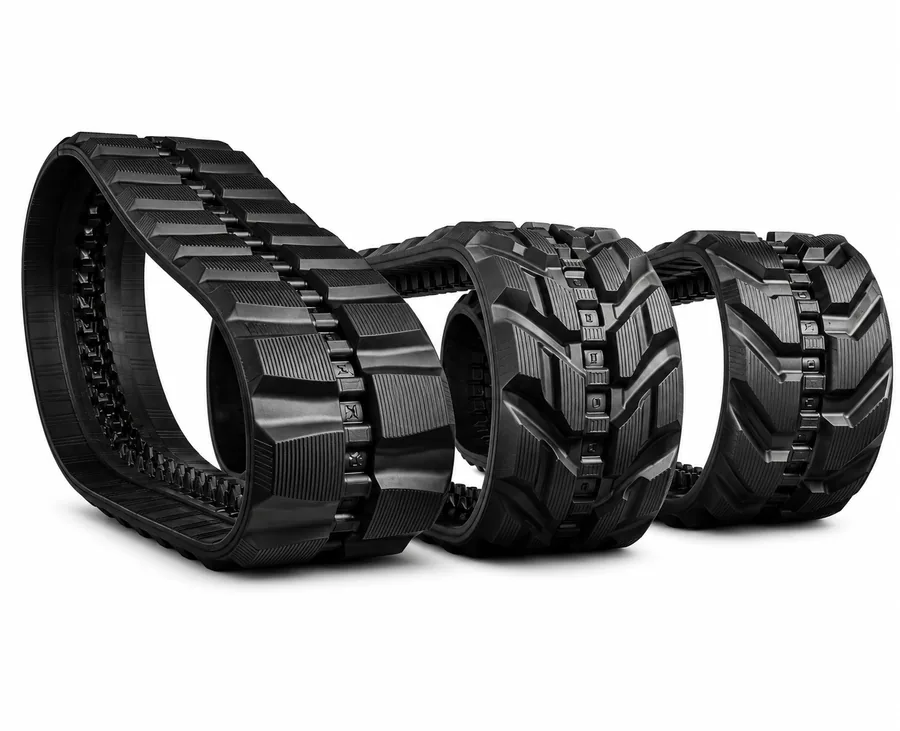
VANROCK rubber tracks are built with continuous steel cords and forged metal cores bonded into an abrasion-resistant rubber compound, in both long-pitch and short-pitch designs.
Sizes cover mini and midi excavators, compact track loaders and tracked dumpers across 350+ brands. Sizes read width × pitch × link count (e.g. 300x52.5x84) — select your brand below or check your model page.
5,832 Rubber Tracks catalogued across 334 machinery brands
Rubber tracks — find your fit
Two ways to find your track
By machine brand
Know your machine? Pick the brand below and drill down to your model — every model page lists its exact VANROCK track.
By track size
Read the size moulded on the inside of your current track — width × pitch × number of links (e.g. 300x52.5x84) — and select it below.
How to read a track size
 PitchLinksExample: 230-72-50
Width
Outside width of the track in mm
Pitch
Point-to-point distance between two links in mm
Links
Number of links around the whole track
Start by selecting the track width.
Component_Knowledge
Technical guide
01
Construction
A rubber track is a continuous band of rubber compound reinforced with embedded steel cords, with metal cores that guide the track and transfer the drive from the sprocket. Rubber tracks are used on mini and midi excavators, tracked dumpers, skid steers and track loaders — wherever steel tracks would damage the surface.
The quality of a rubber track is decided by what you cannot see: the rubber compound, the construction of the steel cord layer and the bonding of the metal cores. Weight alone says nothing about strength.
02
Long pitch vs. short pitch
- +Long pitch tracks have fewer lugs; the lugs engage every other sprocket tooth.
- +Short pitch tracks have twice the lugs and engage every tooth — the machine runs smoother with less vibration, but soil packing between the lugs is more likely.
- +Anti-vibration designs (AVT) add operator comfort on hard, flat surfaces; standard tracks remain the better choice on soft or loamy ground.
- +The machine builder defines which pitch runs best with the given rollers, final drive and sprocket width — always stay within the OEM dimension family.
03
Operating for long life
- +Run the correct tension — the single biggest factor in rubber track life: too loose lets the track jump the sprocket, too tight overloads cords and cores.
- +Avoid sharp pivot turns on abrasive or hard ground, and avoid running over curbs, edges and sharp debris.
- +Clean the undercarriage regularly — packed material forces the track against the sprocket and promotes lug damage.
- +Park out of direct sunlight where possible: UV exposure ages rubber and makes it porous.
04 · Component_Knowledge
Recognizing wear
Select Your Brand
Undercarriage_Knowledge
Expert guides from our engineers
FAQ
Rubber Tracks — common questions
How do I find my rubber track size?+
The size is moulded on the inside of your current track as width × pitch × link count (e.g. 300x52.5x84). If it's unreadable, send us your machine model and serial number and we'll confirm the correct size.
How much does a rubber track for a mini excavator cost?+
Prices depend on size and quantity — pairs are cheaper per track than singles. Request a quote with your machine model or track size and receive direct manufacturer pricing.
Are VANROCK rubber tracks steel-reinforced?+
Yes — every track has continuous (jointless) steel cords and forged, hardened metal cores bonded into a cut- and abrasion-resistant rubber compound.
How long do rubber tracks last?+
Typical service life is 1,200–2,000 hours depending on surface and operating style. Avoiding sharp pivot turns on concrete and keeping correct tension significantly extends track life.